

Cocaine is one of the more widely misused stimulants in the United States, and recognizing the early warning signs can make a real difference for someone you love. For people who are medically stable and do not need 24/7 care, a structured intensive outpatient program can offer support while a person keeps up with daily life.
This article walks through the physical, behavioral, and psychological effects of cocaine, explains withdrawal and overdose effects, and outlines treatment options. If you are weighing whether a pattern of use is serious, our guide on the difference between a habit and addiction is a good starting point.
Understanding Cocaine and Cocaine Abuse

Cocaine is a powerful stimulant made from the coca leaves of plants native to South America. It produces a short, intense cocaine high by blocking dopamine reuptake, causing dopamine to build up in the brain’s reward system. Because that effect fades fast, many people take frequent doses to chase the same feeling, and this pattern is often where cocaine abuse begins.
Signs of cocaine abuse can vary from person to person, depending on the amount used and the duration of use. Some people hide their drug use well, while others show clear signs within weeks. When someone begins to abuse cocaine, the drug slowly takes priority over meaningful relationships, work, and overall health. Catching these warning signs early opens an easier path to care, as our signs you need help for addiction guide explains.
Recognizing the Signs and Symptoms to Watch For
The signs and symptoms of cocaine use appear across the body, the mind, and social life. No single sign confirms a problem, but a cluster of these signs and symptoms is worth attention. Many overlap with the differences between stimulants and depressants.
Behavioral and Physical Indicators of Cocaine Use
Common behavioral symptoms include increased energy, euphoria, and a sense of invincibility, while cognitive shifts may involve heightened alertness and focus. These can look like productivity at first, which is part of why a cocaine abuse problem hides so easily.
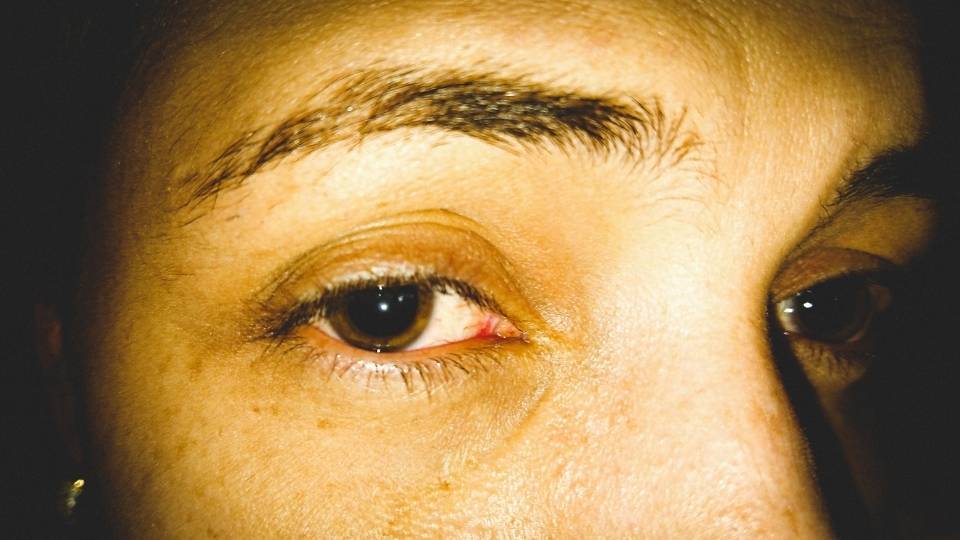
Physical symptoms of cocaine use can include dilated pupils, increased heart rate, and elevated blood pressure, while psychosocial symptoms may involve changes in social behavior and relationships. Watch for the following signs and symptoms:
- Enlarged pupils along with a runny or stuffy nose
- Sudden weight loss and a reduced appetite
- Bursts of energy followed by crashes and deep fatigue
- Mood swings, irritability, or erratic behavior
- New secrecy about money, time, and whereabouts
Psychological Effects of Cocaine
Beyond the physical indicators, the psychological effects of cocaine can include anxiety, paranoia, and changes in one’s sense of judgment. Some people show violent behavior during binges. Over time, these signs and symptoms can blur with underlying mental health conditions.
How Crack Cocaine Differs
Crack is a solid, smokable form of the drug. It reaches the brain faster than snorted powder cocaine, producing a more immediate high and a faster crash. People who use it often develop intense cravings and take more cocaine in shorter cycles, which raises the risk of cocaine use disorder, compulsive use, and overdose.
The Effects of Cocaine on the Body and Brain
The impact of using cocaine on his or her body is intense and widespread. It is a highly addictive stimulant that causes immediate, short-lived increases in dopamine and norepinephrine activity.
Prolonged abuse can drive lasting changes in brain structure and function, which may result in long-lasting cognitive deficits and emotional disturbances. The reward system adapts, so a person tends to need more cocaine to reach the same desired effect.
The effects of cocaine on the heart and lungs can be severe, including cardiovascular problems such as heart attacks and strokes, plus respiratory issues when smoked. The effects cocaine has on the body also include a raised body temperature, and a dangerously high body temperature is one warning sign that calls for immediate medical attention.
The table below summarizes the common effects of cocaine across the body.
| Body system | Short-term signs | Longer-term risks |
|---|---|---|
| Cardiovascular | Raised heart rate and blood pressure | Higher risk of heart attack and stroke |
| Brain and mood | Euphoria, alertness, then a crash | Anxiety, paranoia, cognitive decline |
| Respiratory | Faster breathing, throat irritation | Lung damage when crack is smoked |
| Body and weight | Reduced appetite, raised body temperature | Ongoing weight loss and poor overall health |
The social fallout can be profound, often leading to strained relationships, job loss, and legal issues tied to the drug’s illegal status. Repairing that damage is possible, as our rebuilding relationships after addiction guide describes.
Cocaine Withdrawal and What to Expect
Cocaine withdrawal begins when a person stops or sharply cuts use after a stretch of heavy consumption. Withdrawal or the crash after cocaine use can bring intense mood symptoms such as irritability, anxiety, low mood, and cravings.
Withdrawal symptoms can include fatigue, increased appetite, depression, and sleep disturbances when a person abruptly stops using cocaine after prolonged use. It also brings intense dysphoria, anhedonia, and psychomotor retardation. These signs rarely threaten life on their own, but can drive a person back to use. Our post-acute withdrawal syndrome article explains how some symptoms linger past the first weeks.
During intoxication or overdose, neurological effects can include seizures, severe headaches, and cocaine-induced psychosis marked by paranoia or hallucinations.
Cocaine Overdose and Withdrawal Effects
A cocaine overdose can lead to severe complications, including heart attack, stroke, and seizures, and requires medical attention to prevent fatal outcomes. The risk can rise with prolonged use as tolerance leads some people to consume larger amounts to reach the same result, but overdose can also happen after occasional or first-time use.
The withdrawal and overdose effects of the drug differ but connect, since both reflect how the body adjusts to repeated exposure. Understanding these overdose effects helps families act fast when something looks wrong.
When People Abuse Cocaine: From Habit to Cocaine Use Disorder
There is a line between recreational use and a clinical condition. When people abuse cocaine repeatedly despite negative consequences, they may meet the criteria for one of the recognized substance use disorders.
The Diagnostic and Statistical Manual of Mental Disorders, published by the American Psychiatric Association, lists the criteria clinicians use to identify substance use disorders. A provider looks at patterns over the past year, including loss of control and continued use of the substance despite clear harm. This condition is one of several substance use disorders that share these features, and the same statistical manual frames how an illicit substance like this one is assessed.
Not everyone who tries the substance develops a problem, but those who abuse cocaine often do. Reviewing the stages of addiction recovery can help families understand where a loved one stands.
Causes and Risk Factors for Cocaine Addiction
Cocaine addiction does not have a single cause. A mix of genetic, environmental, and psychological risk factors shapes vulnerability, and recognizing this pattern starts with these causes and risk factors.
Genetic factors and family history can significantly raise risk, especially when a first-degree relative has a substance use disorder. A family history of addiction places a person at greater risk. The National Institute on Drug Abuse and broader research on drug abuse echo this pattern.
Environmental influences, such as being surrounded by drug use or living with chronic stress, can increase the risk of cocaine abuse. Individuals with a family history of substance abuse are more likely to develop cocaine addiction because of heritable traits. Unstable home environments or community violence can heighten that risk further, and these stressors often appear alongside the patterns in our pieces on the signs of fentanyl addiction and the signs of heroin addiction.
When understanding cocaine addiction, remember that these factors do not guarantee a problem; they only help explain why some people are more susceptible than others.
Cocaine and Substance Abuse: Co-Occurring Disorders and Mental Health
Cocaine and substance abuse rarely exist in isolation. Many people who struggle also live with mental illness, and a person’s mental health history often shapes how the addiction develops. Those who abuse cocaine may also misuse other substances, and that mix of other substances complicates how substance use and substance abuse are treated.
Co-Occurring Disorders
Co-occurring disorders describe the overlap of a substance use disorder with another mental health condition. Depression, anxiety, and posttraumatic stress disorder frequently appear alongside cocaine addiction. When co-occurring disorders are present, treating only one side rarely produces lasting results.
Addressing both the addiction and other mental health conditions at once gives a person a stronger foundation for long-term recovery. You can read more in our guide to mental illness awareness in Idaho, which connects mental health and substance use across the state, covered in our Idaho opioid crisis 2026 overview.
Treatment Options for Cocaine Use Disorder
A cocaine use disorder requires proper treatment, including behavioral therapies like cognitive-behavioral therapy and contingency management. Cocaine addiction is a chronic yet treatable medical condition, and while there are no FDA-approved medications specifically for stimulant use disorders such as cocaine use disorder, psychosocial interventions and behavioral therapies can be effective.
Treatment often begins with a comprehensive evaluation to determine the right setting and to formulate an individualized plan tailored to the person’s needs. Professional centers that specialize in stimulant abuse can provide the support people need to pursue a drug-free life. Common forms of support include:
- Behavioral therapy and contingency management to reshape habits
- Peer support and group sessions that reduce isolation
- Care for any underlying disorders alongside the addiction
- A clear plan for ongoing recovery and relapse prevention
For many people, a structured outpatient treatment program offers the right balance of accountability and flexibility, and a virtual outpatient program can remove travel barriers. To see what care looks like day to day, read what to expect in IOP addiction treatment, and who is a good fit for IOP. Recovery is also about building a life worth staying sober for, which our finding meaning after addiction article explores.
Cocaine Symptoms: Frequently Asked Questions
What are the first physical signs of cocaine use?
Early signs of cocaine use often include dilated pupils, a runny nose, a raised body temperature, and a faster heart rate. Weight loss and disrupted sleep can also appear. These signs may come and go with each cycle of using cocaine, so a single observation rarely tells the whole story.
How long do cocaine withdrawal symptoms last?
The acute phase often lasts one to two weeks, though fatigue, low mood, and cravings can linger longer. Because the symptoms of cocaine withdrawal vary by person, medical support improves both comfort and safety during this window.
Can cocaine addiction be treated successfully?
Yes. Cocaine addiction is a treatable medical condition. Behavioral therapies, peer support, and care for any co-occurring disorders all contribute to recovery, even though no medication is approved specifically for this use disorder.