Fentanyl works faster and stronger than almost any other pain medicine available today. However, the effects of fentanyl on the body extend far beyond pain relief, creating dangerous changes in your brain chemistry, respiratory function, and organ systems.
Whether you’re taking fentanyl as prescribed by a doctor or you’ve encountered it mixed into street drugs, this opioid medicine affects your central nervous system in ways that demand immediate attention. In this article, we’ll cover both short-term and long-term health consequences, overdose risks, and how fentanyl addiction treatment addresses physical dependence.
Quick Takeaways:
- By activating opioid receptors, fentanyl can increase dopamine signaling in the brain’s reward system, reinforcing repeated use
- Short-term effects include respiratory depression and slowed breathing, while long-term use damages multiple organ systems and creates physical dependence requiring medical intervention
- Inconsistent street drug purity makes every dose potentially fatal, but medication-assisted treatment can safely address withdrawal symptoms and stabilize brain chemistry
How Fentanyl Affects the Brain and Central Nervous System
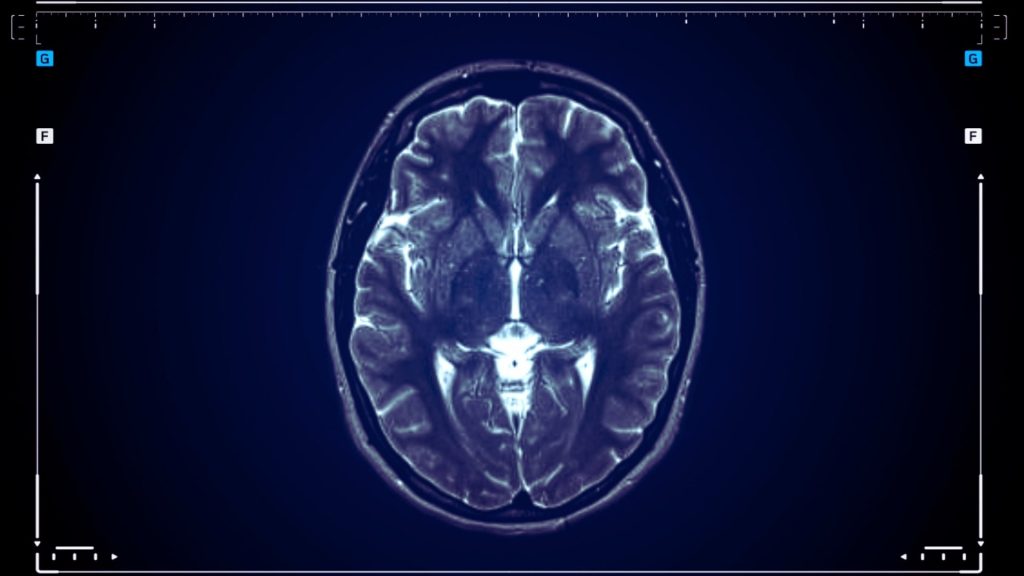
Fentanyl targets specific opioid receptors throughout your central nervous system, inundating your system with dopamine while simultaneously dampening pain perception and slowing your breathing rate. Doctors prescribe fentanyl for acute pain following major surgery, chronic pain unresponsive to other pain medicines, and cancer pain that breaks through standard medication.
How Fentanyl Produces Effects
Your brain contains opioid receptors in areas controlling pain, mood, and basic functions such as breathing. When fentanyl enters your system through a patch, injection, or lozenge in a hospital setting, it attaches to these receptors within minutes and blocks pain signals while triggering reward pathways. The prescription pain medicine mimics your body’s natural endorphins but with dramatically amplified intensity, temporarily rewiring neural pathways involved in pain perception. Because fentanyl can cause life-threatening respiratory depression, clinicians carefully control dosing and monitor breathing, especially during initiation and dose changes.
Short-Term Effects of Fentanyl on the Body
The immediate side effects of fentanyl extend throughout your entire body within minutes of taking it. Your breathing slows as the drug suppresses respiratory drive in your brainstem, sometimes progressing to shallow breathing or complete respiratory depression. Other short-term effects include:
- Severe drowsiness and sedation that impair consciousness
- Nausea and vomiting that increases aspiration risk
- Muscle rigidity, particularly in your chest wall
- Slowed heart rate and reduced blood pressure
- Pinpoint pupils and clammy skin
- Confusion and impaired coordination
These reactions intensify when you combine fentanyl with alcohol, benzodiazepines, or other central nervous system depressants. The drug’s rapid onset means dangerous symptoms can develop before you realize what’s happening.
Long-Term Health Consequences and Physical Dependence
Repeated fentanyl use restructures your brain’s reward circuits and stress response systems over time, reducing natural endorphin production and changing receptor sensitivity throughout your nervous system. These neurological adaptations create the foundation for physical dependence, where your body requires fentanyl just to feel normal.
Chronic Fentanyl Use and Body System Damage
Long-term effects of fentanyl damage multiple organ systems beyond your brain, creating cascading health problems throughout your body. Tolerance builds relentlessly, meaning you need more medicine to achieve the same effect that once required a smaller dose.
- Cardiovascular strain, including irregular heart rhythms and episodes of fast heartbeat
- Increased sensitivity to pain between doses, making new pain feel more intense
- Hormonal disruptions affecting the reproductive system, bone density, and energy levels
- Dysregulated stress response making daily challenges harder to manage
This habit-forming pattern creates a dangerous cycle where escalating doses increase your risk of respiratory depression and overdose. Your brain’s chemistry becomes so altered that functioning without the drug feels nearly impossible.
The Life-Threatening Effects of Fentanyl Overdose
An opioid overdose occurs when fentanyl suppresses your breathing to the point where oxygen can no longer reach your brain and vital organs. The Centers for Disease Control and Prevention (CDC) reports that synthetic opioids like fentanyl were present in nearly 88% of opioid-involved overdose deaths in 2021.
Risk Factors for Fatal Overdose:
| Risk Factor | Why It’s Dangerous |
| Counterfeit Pills | Fake pills containing fentanyl have unpredictable, often lethal doses mixed with toxic substances |
| Polysubstance Use | Combining fentanyl with prescription opioids, alcohol, or other drugs multiplies respiratory depression |
| Inconsistent Purity | Street drugs and illegal fentanyl vary wildly in concentration from dose to dose |
| Reduced Tolerance | After even a short break from use, your previous dose can become fatal |
| Underlying Conditions | Head injury, kidney disease, or respiratory problems increase vulnerability |
Warning signs include blue lips, limp body, gurgling sounds, and unconsciousness that won’t respond to stimulation. While naloxone can temporarily reverse these effects, fentanyl’s potency often requires multiple doses and immediate transport to emergency care.
Fentanyl Addiction Treatment Options

The habit-forming nature of fentanyl creates physical dependence that requires specialized medical attention rather than willpower alone. Medication-assisted treatment combines FDA-approved medications with counseling to address both the physiological and psychological aspects of opioid use disorder.
- Methadone stabilizes brain chemistry and reduces cravings through controlled daily dosing
- Buprenorphine (Suboxone) eases withdrawal symptoms while blocking the euphoric effects of other opioids
- Individual counseling helps identify triggers and develop coping strategies
- Group therapy connects you with others facing similar recovery challenges
Your healthcare provider adjusts medication levels based on your individual needs, creating a foundation for recovery that addresses physical dependence safely. This comprehensive model recognizes that overcoming the effects of fentanyl on the body requires both medical intervention and behavioral health support.
Frequently Asked Questions About Fentanyl’s Impact on the Body
What is the most common side effect of fentanyl?
One of the most serious and dangerous effects of fentanyl is respiratory depression, which slows breathing and can become life-threatening. More commonly reported side effects include drowsiness, constipation, nausea, and confusion. These effects can occur whether fentanyl is prescribed or obtained illicitly, though the risk of severe complications is much higher with unregulated doses.
What are the rare side effects of fentanyl?
Rare side effects of fentanyl include severe muscle rigidity (particularly chest wall stiffness), hallucinations, seizures, and severe allergic reactions. Some people experience serotonin syndrome when fentanyl combines with other medicines, causing agitation, a fast heartbeat, and increased body temperature.
Does fentanyl affect your memory?
Yes, fentanyl affects your memory through its impact on brain regions responsible for learning and recall. Long-term fentanyl use can impair short-term memory formation, reduce concentration, and slow cognitive processing. These cognitive effects often persist during early recovery but typically improve with sustained abstinence and medication-assisted treatment.
Reversing Fentanyl’s Effects Through Medical Treatment
Whether you’re taking fentanyl as prescribed and worried about dependence, or using fentanyl obtained through other means, specialized opioid treatment programs offer medically supervised pathways to stability. Recovery requires ongoing medical oversight from healthcare providers who understand the complexity of physical dependence and withdrawal symptoms.Raise The Bottom Addiction Treatment offers outpatient opioid treatment in Boise, Nampa, and Pocatello, providing medication management, individual counseling, and group support. Contact us today to verify your insurance coverage and begin building the foundation your recovery deserves.