Achieving sobriety is a huge step toward reclaiming your life, but you might feel unexpectedly lost once the initial relief settles. Many people discover that life after addiction recovery brings not just freedom, but also an uncomfortable question: “Who am I now?” Finding meaning after addiction goes deeper than staying clean or rebuilding your daily routine; it involves rediscovering your identity, clarifying your values, and building a life that feels genuinely fulfilling.
This article explores the emotional landscape of recovery beyond sobriety, including how to clarify your core values, set personal goals that matter, and rebuild relationships with intention. Whether you’re new to recovery or years into your journey, understanding how to create meaning can transform your path forward from mere survival into genuine growth, supported by addiction counseling and community connection.
Quick Takeaways
- Sobriety creates an identity gap that requires active exploration of who you are beyond addiction, not just maintaining abstinence.
- Finding meaning in recovery involves clarifying your core values and setting goals that reflect genuine interests rather than external expectations.
- Rebuilding relationships requires honest acknowledgment of harm and the creation of new connections that support your authentic self.
The Identity Gap: Why Stability Isn’t Enough

Staying sober is essential, but it doesn’t automatically fill the space that addiction once occupied in your life. When you stop using drugs or alcohol, you may feel directionless even while maintaining sobriety, like you’re white-knuckling through each day without a clear sense of who you are or what brings you joy. This identity gap is one of the most challenging aspects of rebuilding life after addiction.
The Emotional Landscape of Early Recovery
Substance use disorder often fills deep emotional, social, and identity needs that don’t disappear simply because you’ve stopped using. Addiction fundamentally changes brain circuits involved in reward, stress, and self-control, which means early recovery involves not just abstinence, but genuine neurological healing. Rebuilding your life after addiction includes confronting grief for lost time and damaged relationships while also recognizing that you’re capable of building something new.
Moving Beyond “Just Staying Sober”
Maintaining sobriety is your foundation, but it’s not the complete picture of a fulfilling life. Recovery becomes a lifelong journey of self-discovery and personal growth, one that should include exploration of your interests, values, and authentic self-concept. A meaningful life in recovery looks different for everyone, whether it involves creative pursuits, exploring spirituality, contributing to your community, or building a career that aligns with your values.
Clarifying Your Core Values and Personal Goals
Building a new life starts with understanding what truly matters to you, separate from external expectations or the identity you held during active addiction. This values-clarification work provides direction and helps you make decisions that support long-term recovery.
Identifying What Truly Matters to You
Substance use often disconnects you from your authentic desires and interests, leaving you unsure of what brings you genuine joy or satisfaction. Ask yourself: “Who am I without addiction?” and “What do I actually care about?” Research has found that a sense of purpose is strongly associated with a decreased likelihood of future drug misuse.
Values clarification gives you something to move toward. Consider the role that creativity, contribution, spirituality, or service might play in building your new life. Exploring these questions through journaling, therapy, or conversations with loved ones can help you rediscover a purpose that feels authentic.
Setting Achievable Goals Aligned With Your Values
Once you’ve identified your core values, you can set personal goals that reflect what genuinely matters to you. Breaking goals down into manageable steps creates a sense of progress and forward momentum.
| Core Value | Example Goal | Manageable First Step |
| Connection | Rebuild your relationship with a sibling | Send a sincere message acknowledging past harm |
| Creativity | Explore visual art | Attend one beginner art class this month |
| Service | Support others in recovery | Volunteer at a local recovery community center |
| Learning | Develop new career skills | Enroll in one online course or certification program |
| Health | Establish a consistent wellness routine | Walk 15 minutes daily for two weeks |
Your personal goals should encompass more than just financial stability or career success; consider emotional well-being, creativity, and meaningful connection as equally important. Achieving small goals builds self-esteem and reinforces a greater sense of purpose, helping you stay focused even when setbacks occur.
Rebuilding Relationships and Finding Connection
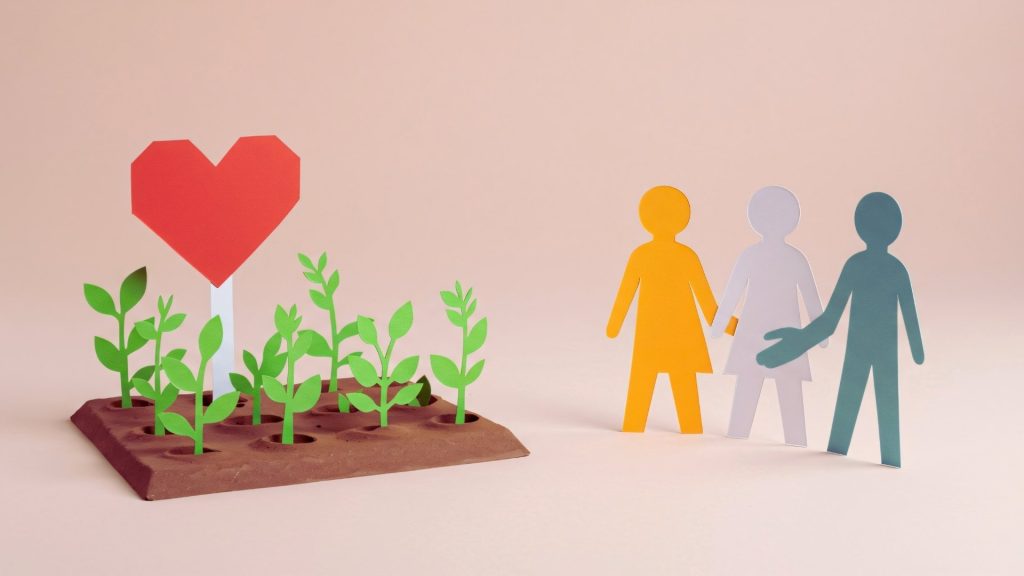
Addiction typically damages relationships with family members, friends, and loved ones, leaving a trail of broken trust and unresolved pain. The healing process requires consistent action and honest acknowledgment of the harm caused.
Healing Broken Relationships With Intention
Mending broken relationships begins with understanding that you can’t control others’ willingness to reconnect or their healing timeline. Family therapy can facilitate difficult conversations and help repair trust in structured ways.
Remember that some relationships may not be salvageable, and accepting this reality is part of emotional healing. The goal isn’t to fix everything that addiction broke, but to build meaningful connections moving forward. Focus on healthy relationships that genuinely support your recovery rather than forcing reconciliation in harmful situations.
Building New Connections That Reflect Your Values
Surrounding yourself with people who share similar challenges or values provides essential support for maintaining recovery and preventing isolation. Support groups and recovery communities offer belonging and understanding that can be difficult to find elsewhere. These connections should go beyond shared sobriety and include shared interests and genuine joy in each other’s company.
- Join recovery-focused communities where you can connect with others facing similar challenges.
- Pursue hobbies or interests that introduce you to people with shared passions.
- Volunteer for causes that align with your core values.
- Attend group activities focused on wellness, creativity, or learning.
Building healthy relationships is a powerful tool for maintaining sobriety and creating a life that feels connected. The people you surround yourself with shape your sense of what’s possible in recovery, so choose relationships that support the person you’re becoming.
Frequently Asked Questions About Life After Addiction
What is life like after addiction?
Life after addiction involves rebuilding your identity, relationships, and daily routines while navigating both emotional healing and practical challenges. Many people experience grief for lost time alongside hope for the future. Recovery requires ongoing self-discovery, establishing healthy habits, and finding meaningful connections that support long-term sobriety and personal growth beyond simply staying clean.
How to find purpose in recovery?
Finding purpose in recovery starts with identifying your core values through reflection, therapy, or journaling. Set achievable goals aligned with what genuinely matters to you, whether creativity, service, learning, or connection. Purpose develops gradually through exploring interests, building meaningful relationships, and taking manageable steps toward a life that reflects your authentic self rather than external expectations.
Does life get better after addiction?
Life can become more fulfilling after addiction when you actively work on emotional healing, relationship repair, and personal growth. Recovery offers opportunities to rediscover joy, build authentic connections, and pursue meaningful goals. While challenges and setbacks occur, many people find that sobriety combined with intentional self-discovery creates a richer, more purposeful life than they experienced during active substance use.
Life After Addiction Is a Journey of Continuous Growth
Finding meaning after addiction is an ongoing, evolving process rather than a destination you reach and then maintain. Life after addiction involves more than stability; it requires continuously exploring your identity, values, and connections as you grow. The path forward includes both joy and difficulty, and every step you take toward building a meaningful life matters.
If you’re looking for structured support on your recovery journey, Raise the Bottom Addiction Treatment provides CARF-accredited outpatient treatment specifically for opioid use disorder. Contact Raise the Bottom today to take the first step toward lasting recovery and a life built on purpose, connection, and genuine meaning.